Manhattan · Downtown Manhattan
East Village real estate guide
The East Village is the neighborhood north of Houston Street and south of 14th Street, stretching from the Bowery and Third Avenue east to the East River. Historically part of the Lower East Side, it began to be known by its own name in the 1960s. Much of the area was once Peter Stuyvesant's farm, and St. Mark's Church in-the-Bowery, completed in 1799, stands on his family's chapel site. The neighborhood grew in the nineteenth century with rowhouses and later dense tenement blocks, and those buildings still make up most of the streetscape. The Landmarks Preservation Commission designated the St. Mark's Historic District in 1969, extended it in 1984, and in 2012 added the East 10th Street Historic District facing Tompkins Square Park and the larger East Village/Lower East Side Historic District. Tompkins Square Park sits at its heart.
Homes and buildings in East Village
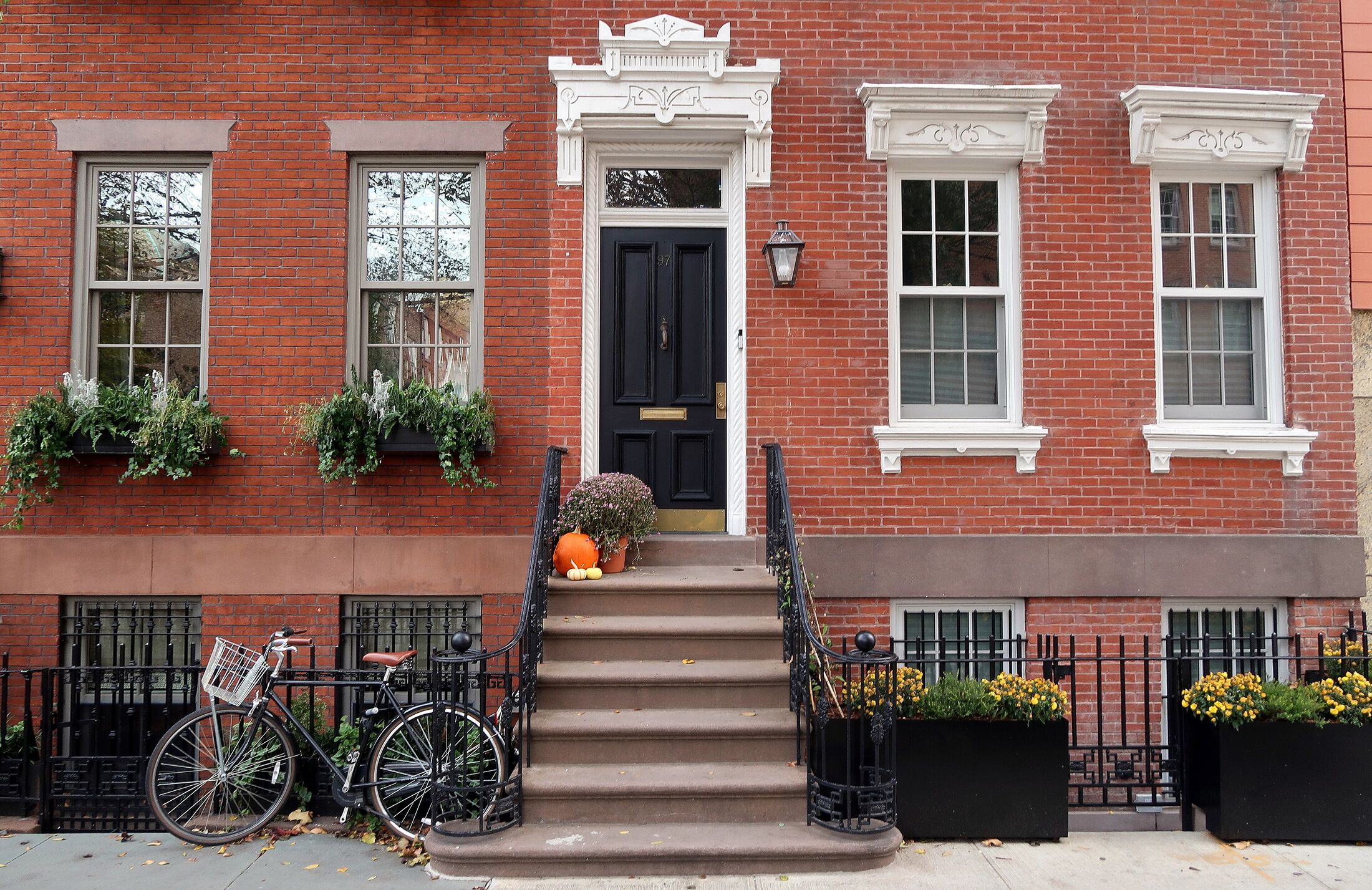
Walk-up tenements and rowhouses dominate, organized as co-ops, rentals and some condominiums. A smaller number of nineteenth century townhouses survive, especially around St. Mark's Place, Stuyvesant Street and the streets near Tompkins Square. Newer elevator condominiums have been added on the larger avenues, and some former institutional and commercial buildings have been converted. Elevator buildings and outdoor space are relatively scarce, which shapes pricing.
Streets, parks and landmarks
The East Village has a strong street presence, with tenement facades, community gardens tucked between buildings and a dense mix of small shops, restaurants and theaters. Tompkins Square Park, about ten acres, is the main green space, and the gardens of Alphabet City are a distinctive feature. Stuyvesant Street runs at an angle, following the old farm boundary, and the waterfront East River Park is being rebuilt in phases.
Selling in East Village
In the East Village, buyers compare walk-ups closely, so condition, layout, light and floor level matter most. A renovated apartment with good exposure on a lower floor, or one with roof rights or a private garden, can stand well above its neighbors. Townhouses are rare and command separate attention. I would market the apartment's specific strengths, be clear about stairs and building finances, and price against true comparables rather than the newer elevator stock.
Compass market data: Compass counts East Village in its Downtown submarket. In Q3 2026 the Downtown submarket’s median sale price was $1,792,500 (+21.5% on a year earlier), on 890 closed sales (+9.9%). Source: Compass Manhattan Market Report Q3 2026 (data: REBNY RLS, ACRIS). NYC market data →
Get Gavin’s report for your building: recent sales in your line and nearby, and what they mean for your price. Free, no obligation.
Buying in East Village
Most buildings are walk-up co-ops, so review board requirements, building finances and any planned capital work. Ask about local law facade inspections and gas line upgrades, which are common in older buildings. If you are considering a building in one of the historic districts, exterior changes need Landmarks approval. Avenue location and street level activity vary block to block.
East Village: frequently asked questions
Is the East Village a good place to buy an apartment?
It depends on your priorities. The East Village has a large stock of walk-up co-op apartments in tenements and rowhouses, a smaller number of townhouses, and some newer elevator condominiums. Tompkins Square Park and the L, 6 and F trains are close by. Buyers should compare building finances, floor level and condition carefully, since most buildings are older walk-ups.
What are typical buildings in the East Village?
The most common building is a five or six story walk-up tenement from the late nineteenth or early twentieth century, often with shops on the ground floor. Earlier rowhouses survive near St. Mark's Place and Stuyvesant Street, some converted to apartments. On the avenues, newer elevator condominiums and rentals have been built, along with conversions of former institutional buildings.
Which subway lines serve the East Village?
The L train runs along 14th Street with stops at Third Avenue and First Avenue. The 6 stops at Astor Place, the R and W stop at 8th Street-NYU, and the F stops at Second Avenue on Houston Street. The eastern blocks, often called Alphabet City, are farther from the subway and rely more on buses along the avenues.
Is the East Village a historic district?
Parts of it are. The Landmarks Preservation Commission designated the St. Mark's Historic District in 1969 and extended it in 1984. In 2012 it added the East 10th Street Historic District, facing Tompkins Square Park, and the East Village/Lower East Side Historic District, centered on Second Avenue and nearby streets. Many other blocks are not landmarked.
Sources: nycgovparks.org, mta.info. Neighborhood boundaries are customary and vary by source. Updated October 2026.
More in Downtown Manhattan