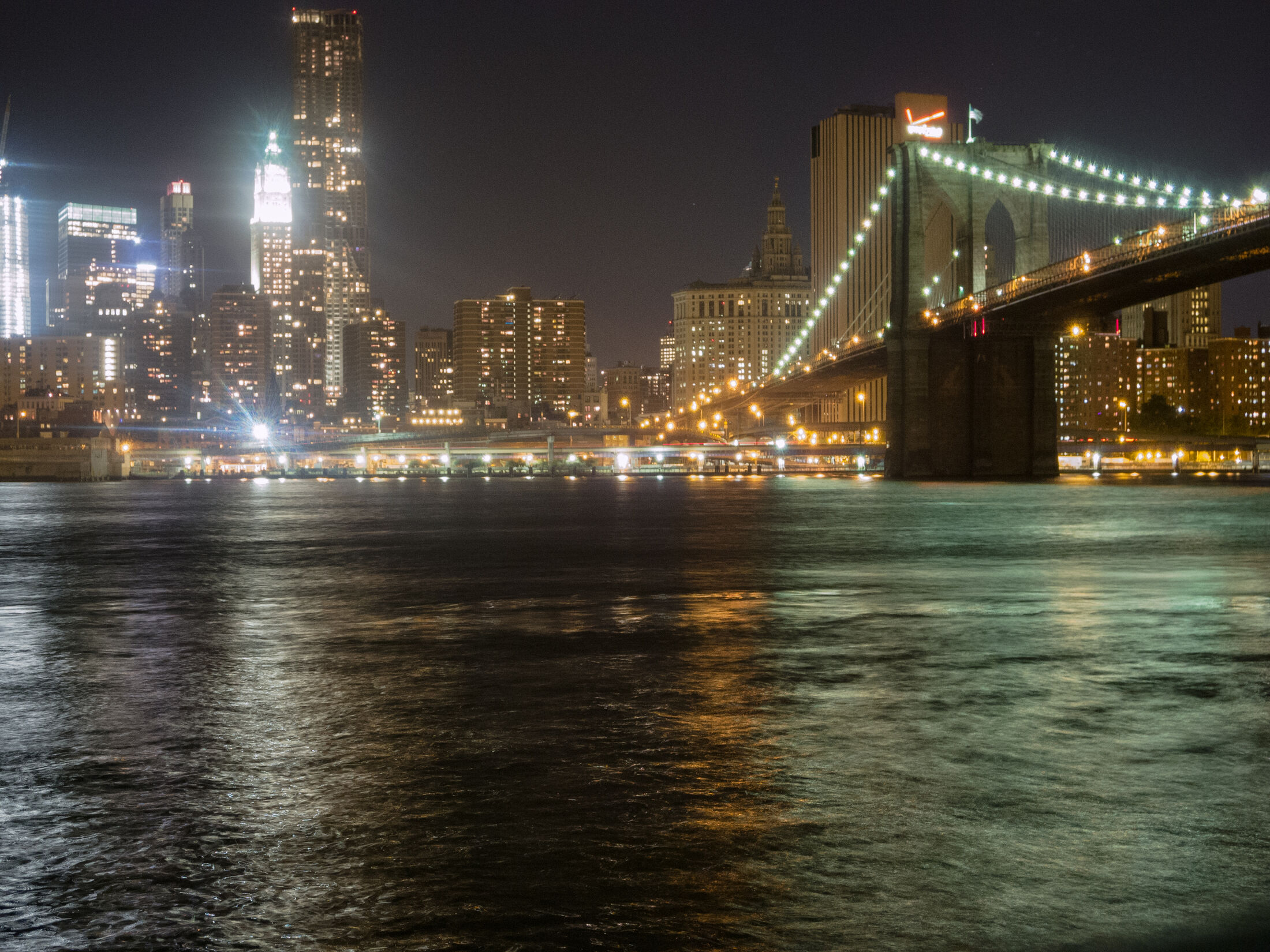
Brooklyn · Neighborhood guide
Downtown Brooklyn real estate guide
Downtown Brooklyn is the borough's civic and commercial core, centered on Borough Hall and running roughly from Cadman Plaza and Court Street east to Flatbush Avenue, between Tillary Street and Atlantic Avenue. Brooklyn Borough Hall, completed in 1848 as the City of Brooklyn's city hall, anchors the area, and the Borough Hall Skyscraper Historic District, designated in 2011, protects early twentieth-century office towers along Court and Montague Streets. In 2004 the City Council approved a major rezoning intended to bring office development; instead, the area became a center of residential construction, with more than 22,000 homes added since. The Brooklyn Tower at 9 DeKalb Avenue, which incorporates the landmarked Dime Savings Bank, reached 1,066 feet as Brooklyn's first supertall building. Fulton Street is the main shopping corridor, joined by City Point. Downtown Brooklyn is the borough's transit hub, with nearly every subway line serving Borough Hall, Jay Street-MetroTech, DeKalb Avenue, and Hoyt Street.
Homes and buildings in Downtown Brooklyn
Housing is overwhelmingly new construction: glass and masonry high-rise condominium and rental towers built since the 2004 rezoning, many with full amenity packages and some with partial affordable housing components. A smaller supply of prewar co-ops and converted office buildings sits near Borough Hall and Court Street. Townhouses are rare within the core but lie a few blocks away in Brooklyn Heights, Boerum Hill, and Fort Greene.
Streets, parks and landmarks
Downtown Brooklyn mixes civic buildings, courthouses, college campuses, and retail with residential towers. Borough Hall and Columbus Park form a central plaza, and Cadman Plaza Park extends north toward the Brooklyn Bridge. The Fulton Street pedestrian mall carries a long run of stores, and City Point adds a food hall and cinema. Albee Square and Willoughby Square Park provide newer public spaces among the towers.
Selling in Downtown Brooklyn
With many towers competing for buyers, precise pricing and presentation are essential. Views, floor height, layout efficiency, and private outdoor space set units apart, so document them carefully. $2 million-plus sales in Downtown Brooklyn towers were a driver of Brooklyn new development pricing in 2026. Buyers compare common charges, taxes, and abatement terms across buildings, so present them clearly. Emphasize transit access, which is among the best in the city.
Compass market data: Compass counts Downtown Brooklyn in its Northwest Brooklyn submarket. In Q3 2026 the Northwest Brooklyn submarket’s median sale price was $1,570,000 (+0.3% on a year earlier), on 755 closed sales (−1.6%). Source: Compass Brooklyn Market Report Q3 2026 (data: REBNY RLS, ACRIS). NYC market data →
Get Gavin’s report for your building: recent sales in your line and nearby, and what they mean for your price. Free, no obligation.
Buying in Downtown Brooklyn
Compare buildings carefully: age, developer, construction quality, reserve funds, and tax abatement status vary widely, and abatement expirations can raise carrying costs sharply. Ask about the share of investor-owned units and rental policy in condos. Ongoing construction remains common, so check planned projects nearby that could affect views. Street-level activity and traffic are high around Fulton Street and Flatbush Avenue.
Downtown Brooklyn: frequently asked questions
Why are there so many new towers in Downtown Brooklyn?
In June 2004 the City Council approved a rezoning of Downtown Brooklyn meant to attract office development. Instead, permissive zoning and strong housing demand produced a wave of residential towers. More than 22,000 residential units have been added since, about 20 percent of them affordable, turning a largely commercial district into one of the borough's densest residential areas.
What is the tallest building in Brooklyn?
The Brooklyn Tower at 9 DeKalb Avenue, designed by SHoP Architects, rises 1,066 feet and 93 stories, making it the borough's first supertall skyscraper. It contains about 550 residences, roughly 150 condominiums and 400 rentals, and it incorporates the landmarked Dime Savings Bank of Brooklyn building, whose interior has been restored for retail use.
How is transit in Downtown Brooklyn?
It is the borough's main transit hub. Borough Hall and Court Street serve the 2, 3, 4, 5, and R trains; Jay Street-MetroTech serves the A, C, F, and R; DeKalb Avenue serves the B, Q, and R; and Hoyt-Schermerhorn serves the A, C, and G. The Atlantic Avenue-Barclays Center hub and Long Island Rail Road are a short walk southeast.
How do I make a Downtown Brooklyn condo stand out?
Because buyers can tour several comparable towers in a day, details decide the sale. Highlight view corridors, floor height, layout efficiency, and any private outdoor space. Present common charges, taxes, and abatement terms up front, along with the building's amenities and reserve position. Pricing precisely against current competing listings and recent closings matters more here than in most rowhouse neighborhoods.
Sources: new.mta.info. Neighborhood boundaries are customary and vary by source. Updated October 2026.
More in Brooklyn