Brooklyn · Neighborhood guide
Crown Heights real estate guide
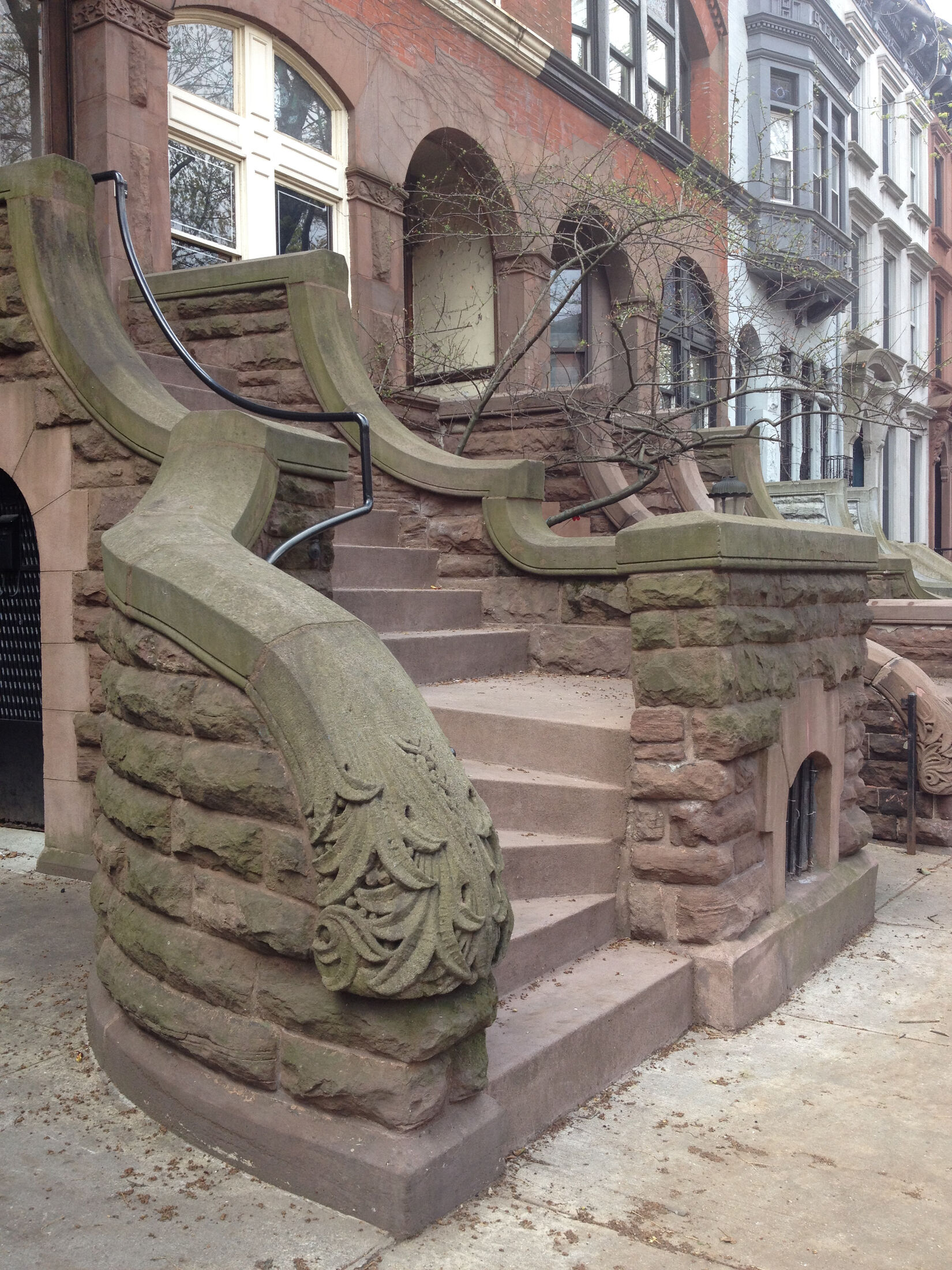
Crown Heights is a large central Brooklyn neighborhood south of Atlantic Avenue and east of Washington Avenue, organized around Eastern Parkway, the landscaped boulevard designed by Frederick Law Olmsted and Calvert Vaux and built in the 1870s as the first parkway of its kind. The northern half developed from the 1870s through the 1920s with rowhouses, freestanding mansions, and elegant apartment buildings, and the Landmarks Preservation Commission protected it in three phases: Crown Heights North in 2007, Crown Heights North II in 2011, and Crown Heights North III in 2015, the last adding more than 600 buildings. Styles range from Neo-Grec and Queen Anne to Romanesque Revival, Renaissance Revival, and Art Deco. The western edge borders the Brooklyn Museum and Brooklyn Botanic Garden, and Brower Park holds the Brooklyn Children's Museum, founded in 1899. The 2, 3, 4, and 5 trains run under Eastern Parkway, the A and C under Fulton Street, and the Franklin Avenue shuttle connects the two.
Homes and buildings in Crown Heights
Crown Heights North holds brownstone, brick, and limestone rowhouses, many with bay fronts and Romanesque or Renaissance Revival detail, alongside large freestanding mansions on blocks such as President, Union, and Sterling. Prewar elevator apartment buildings line Eastern Parkway and the nearby avenues, many of them co-ops. Newer condominium and rental buildings have been added along Franklin Avenue, Atlantic Avenue, and other corridors, giving a range from historic houses to new construction.
Streets, parks and landmarks
Eastern Parkway sets the tone, with its central roadway, tree-lined malls, and benches running east from Grand Army Plaza. Side streets carry rows of houses with stoops and bays, and some blocks feature detached mansions with front lawns. Franklin Avenue, Nostrand Avenue, and Rogers Avenue are the main commercial streets. Brower Park and the Brooklyn Children's Museum sit at the center, and the Botanic Garden and Brooklyn Museum are at the western edge.
Selling in Crown Heights
In Crown Heights, architecture leads. Detached and semi-detached mansions, limestone rowhouses, and houses with intact Renaissance Revival or Romanesque detail draw strong interest, so describe the style and the builder when known. Parlor floors with original woodwork, stained glass, and mantels, plus garden access, support pricing. Inside the three North districts, Landmarks approvals and closed permits are an asset. For co-ops on Eastern Parkway, buyers focus on layouts, light, and building finances.
Compass market data: Compass counts Crown Heights in its East Brooklyn submarket. In Q3 2026 the East Brooklyn submarket’s median sale price was $1,120,000 (+12.1% on a year earlier), on 427 closed sales (−0.7%). Source: Compass Brooklyn Market Report Q3 2026 (data: REBNY RLS, ACRIS). NYC market data →
Get Gavin’s report for your building: recent sales in your line and nearby, and what they mean for your price. Free, no obligation.
Buying in Crown Heights
Historic district boundaries span three separate designations, so confirm which one, if any, covers an address. Some blocks include co-ops with specific financing and sublet rules. Eastern Parkway hosts large annual events and parades that affect access on certain days. Older houses often need masonry, roof, and system upgrades, so budget for inspection findings.
Crown Heights: frequently asked questions
Is Crown Heights a historic district?
The northern part is, in three phases. The Landmarks Preservation Commission designated Crown Heights North in April 2007, Crown Heights North II in June 2011, and Crown Heights North III in March 2015. The third phase added more than 600 rowhouses, flats buildings, and apartment houses built mostly from the 1870s to the 1930s. Blocks outside these districts are not landmarked.
What is special about Eastern Parkway?
Eastern Parkway was designed by Frederick Law Olmsted and Calvert Vaux, the designers of Prospect Park, and built in the 1870s as a grand landscaped boulevard leading east from Grand Army Plaza. It has a central roadway flanked by tree-lined pedestrian malls and service roads, and it is lined with prewar apartment buildings, institutions, and the Brooklyn Museum at its western end.
What types of homes are in Crown Heights?
Rowhouses in brownstone, brick, and limestone, many with bay windows and Romanesque or Renaissance Revival details, plus freestanding mansions on several blocks. Prewar elevator buildings, many of them co-ops, line Eastern Parkway and the avenues. Newer condominium and rental buildings have been built along Franklin Avenue, Atlantic Avenue, and other commercial corridors.
What adds the most value to a Crown Heights home?
Architectural quality and preservation. Detached and semi-detached houses, limestone fronts, and intact interior features such as woodwork, stained glass, and mantels draw strong interest. A parlor floor in good condition, a private garden, and a flexible layout for an owner's unit plus rental broaden demand. Within the landmarked areas, documented approvals and closed permits support a smooth sale.
Sources: new.mta.info. Neighborhood boundaries are customary and vary by source. Updated October 2026.
More in Brooklyn