Manhattan · Uptown Manhattan
Upper West Side real estate guide
The Upper West Side is the Manhattan neighborhood between Central Park and the Hudson River, running from 59th Street north to 110th Street. Its development took off after the Dakota opened in 1884 and accelerated when the first subway line arrived beneath Broadway in 1904, bringing a wave of grand apartment houses and brownstone rows. Today it holds one of the city's richest concentrations of protected architecture, including the Upper West Side and Central Park West Historic District, designated in 1990, the Riverside and West End district with extensions in 2012 and 2015, and the West End and Collegiate district, extended in 2013. Iconic buildings include the Dakota, the Ansonia, the Apthorp, the San Remo and the Beresford. Central Park and Riverside Park bracket the neighborhood, and the American Museum of Natural History anchors its center.
Homes and buildings in Upper West Side
The Upper West Side is the home of the Classic Six: prewar co-op layouts with a living room, formal dining room, kitchen, two bedrooms and a staff room. Larger Classic Sevens and grand prewar apartments line Central Park West, West End Avenue and Riverside Drive. The side streets are filled with brownstones and rowhouses, many divided into floor through apartments, while postwar co-ops, condominium conversions and new development occupy the avenues, especially Broadway and Amsterdam.
Streets, parks and landmarks
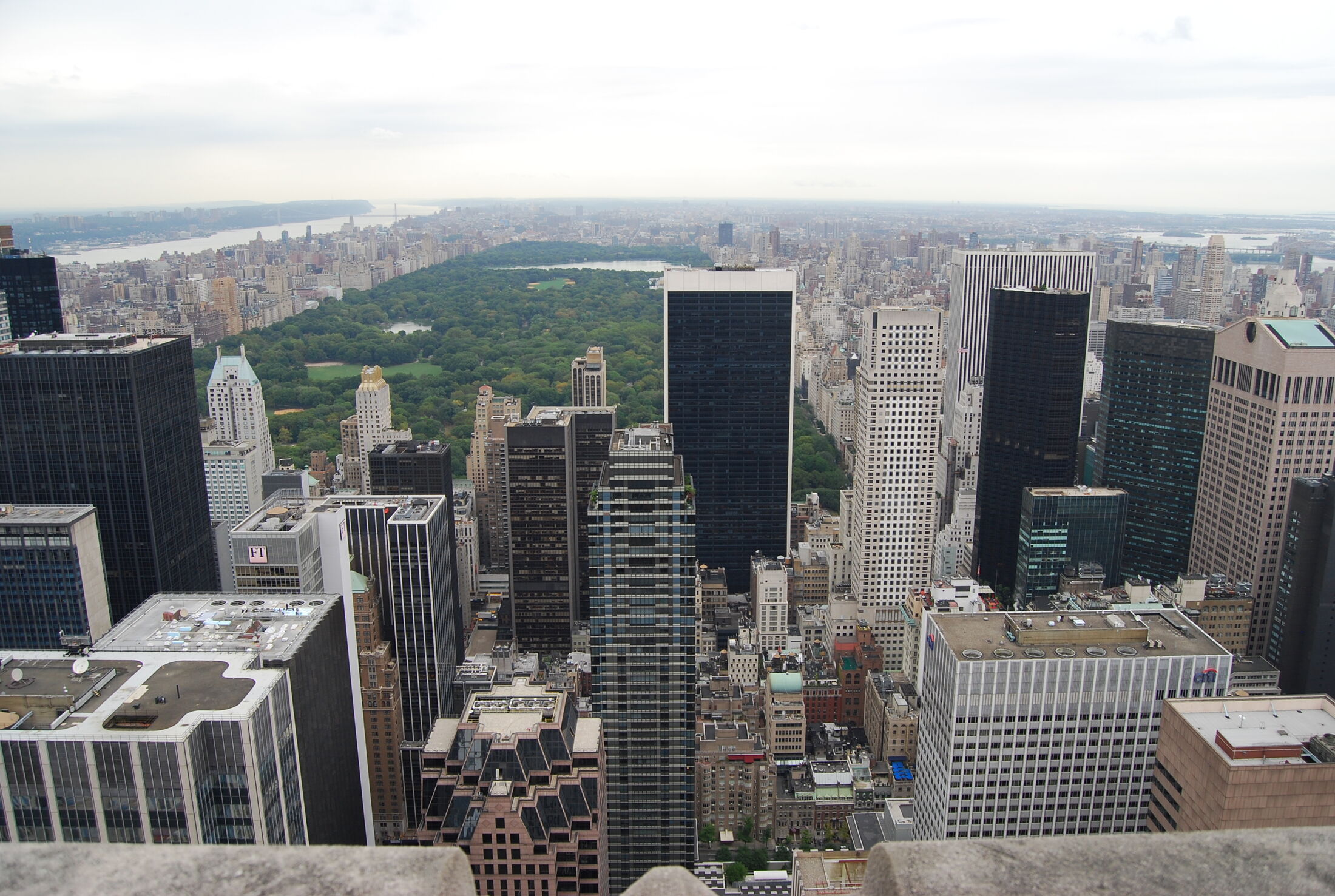
Architecture and parkland define the Upper West Side. Central Park West presents a near continuous wall of landmark apartment houses, while West End Avenue and Riverside Drive carry curving prewar facades above Riverside Park's terraces and promenades. Broadway, Columbus and Amsterdam Avenues provide food markets, shops and restaurants at street level. Cultural anchors include the American Museum of Natural History, the New-York Historical Society and Lincoln Center at the southern edge.
Selling in Upper West Side
On the Upper West Side, layout and light are what buyers pay for. A well preserved Classic Six with a formal dining room, a separate staff room that works as a home office, and good exposures will outperform a larger but chopped up plan. Park and river views, high floors and proximity to the express stops at 72nd and 96th Streets add value. Because so much of the area is landmarked, buyers appreciate documented approvals for any window or exterior work. Co-op sellers should present clear building financials, as boards here review applicants thoroughly.
Compass market data: Upper West Side is one of Compass’s Manhattan submarkets. In Q3 2026 the Upper West Side submarket’s median sale price was $1,250,000 (−4.8% on a year earlier), on 589 closed sales (−0.5%). Source: Compass Manhattan Market Report Q3 2026 (data: REBNY RLS, ACRIS). NYC market data →
Get Gavin’s report for your building: recent sales in your line and nearby, and what they mean for your price. Free, no obligation.
Buying in Upper West Side
Most apartments are in co-ops, so plan for board packages, financial disclosures and down payment requirements that vary by building. Much of the neighborhood sits inside one of several historic districts, which require Landmarks Preservation Commission approval for exterior changes. Townhouse purchases should include a review of the certificate of occupancy and the legal unit count. Distance to an express subway stop is a practical factor worth weighing.
Upper West Side: frequently asked questions
What is a Classic Six apartment?
A Classic Six is a prewar co-op layout common on the Upper West Side and Upper East Side. The six rooms are a living room, a formal dining room, a kitchen, two bedrooms and a smaller staff room, usually near the kitchen, plus bathrooms. A Classic Seven adds a third bedroom. The layout separates entertaining spaces from bedrooms, which is a large part of its lasting appeal.
Which parts of the Upper West Side are landmarked?
Large portions are. The Upper West Side and Central Park West Historic District, designated in 1990, covers much of Central Park West and the side streets. Along the river, the Riverside and West End Historic District was designated in 1989 and extended in 2012 and 2015, and the West End and Collegiate district dates from 1984, extended in 2013. Smaller districts and many individual landmarks fill in further blocks.
What subway lines run through the Upper West Side?
The 1, 2 and 3 run beneath Broadway, with express stops at 72nd and 96th Streets and local stops roughly every ten blocks. The B and C run along Central Park West, with the A and D providing express service from 59 St to Columbus Circle. The IRT line under Broadway opened in 1904 and shaped much of the neighborhood's development.
What are the boundaries of the Upper West Side?
The Upper West Side runs from 59th Street north to 110th Street, between Central Park on the east and the Hudson River on the west. It includes sub areas such as Lincoln Square at the southern end and Manhattan Valley in the northeast corner. North of 110th Street the neighborhood transitions into Morningside Heights, home to Columbia University and Riverside Church.
Sources: nyc.gov, hdc.org, nycgovparks.org, nycgovparks.org, nycgovparks.org, new.mta.info, communityprofiles.planning.nyc.gov. Neighborhood boundaries are customary and vary by source. Updated October 2026.
More in Uptown Manhattan