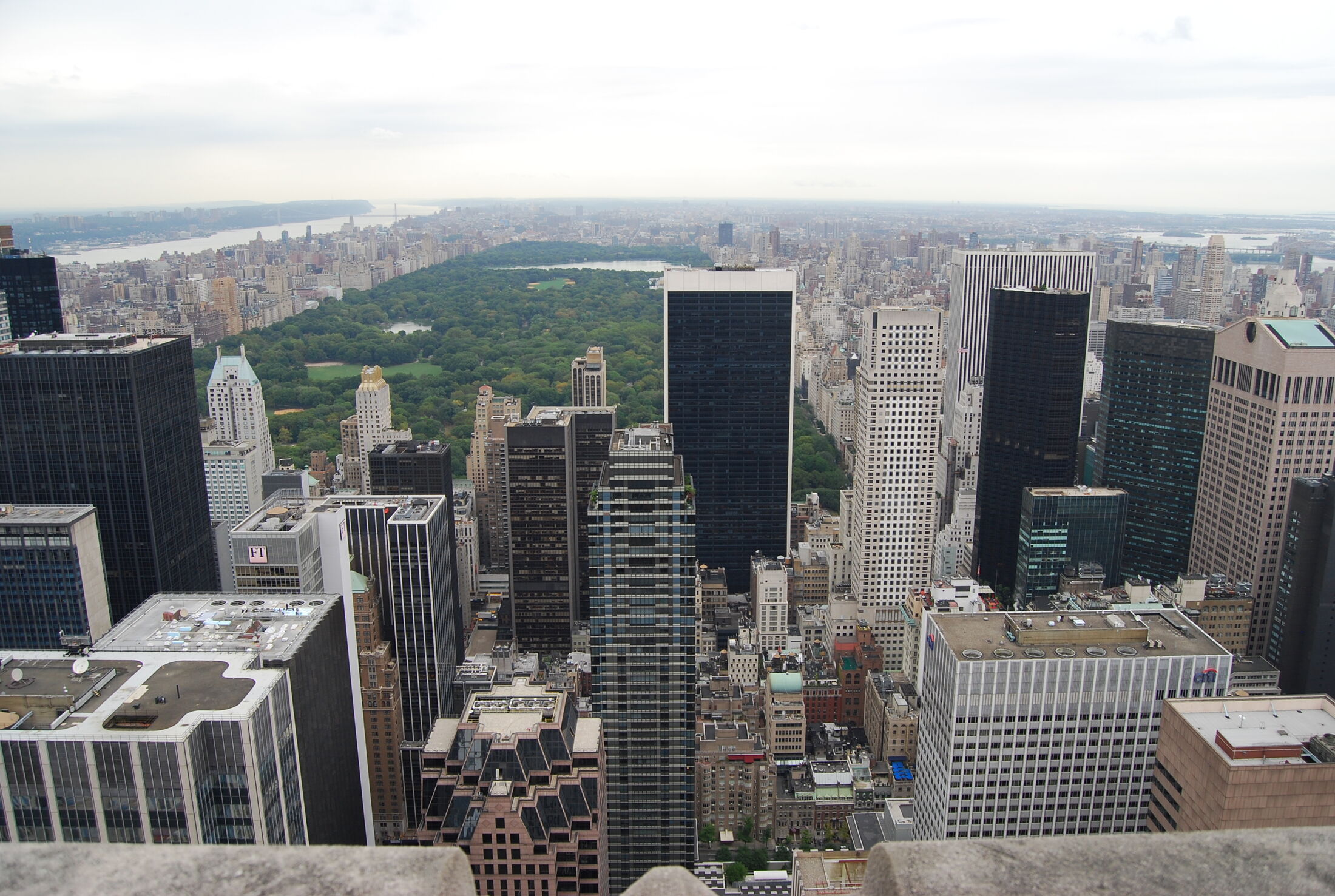
Manhattan · Uptown Manhattan
Lincoln Square real estate guide
Lincoln Square is the southern gateway to the Upper West Side, generally running from about 59th to 72nd Street between Central Park West and the Hudson River, centered on the bow tie where Broadway crosses Columbus Avenue at 65th Street. Its modern form comes from the Lincoln Square urban renewal project of the 1950s and 1960s, which cleared blocks of tenements in the area historically known as San Juan Hill. Construction of Lincoln Center for the Performing Arts began in 1959, followed by large residential complexes such as Lincoln Towers. Later decades added Riverside South along the river and a run of high profile condominiums near Columbus Circle. Earlier buildings remain along Central Park West, including the studio co-op Hotel des Artistes inside the Upper West Side and Central Park West Historic District. Riverside Park South, Damrosch Park and Central Park frame the area.
Homes and buildings in Lincoln Square
Lincoln Square is weighted toward postwar and contemporary buildings. Lincoln Towers, eight co-op buildings completed by 1964, offers a large supply of postwar apartments, while Riverside South and the blocks near Columbus Circle are home to full service condominiums and rental towers, many with river or park views. Prewar co-ops line Central Park West, with some distinctive double height studio apartments. Brownstones are limited compared with the rest of the Upper West Side.
Streets, parks and landmarks
The neighborhood is organized around cultural institutions: Lincoln Center's plaza, theaters and concert halls, Juilliard and the surrounding performing arts venues. Broadway and Columbus Avenue carry shops, restaurants and the Richard Tucker Square greenmarket, while Columbus Circle anchors the south end. Along the river, Riverside Park South offers piers, lawns and a bike path. The scale is large, with wide avenues, towers and open plazas instead of rowhouse side streets.
Selling in Lincoln Square
In Lincoln Square, building type and view separate prices more than location alone. In postwar co-ops such as Lincoln Towers, buyers compare renovation, floor, exposure and maintenance across many similar units, so presentation and accurate floor plans matter. In condominiums along Riverside Boulevard and near Columbus Circle, unobstructed Hudson River or Central Park views carry substantial premiums, and buyers study common charges and amenities. Prewar Central Park West co-ops are valued for park views, ceiling height and original detail, and board requirements shape the buyer pool.
Compass market data: Compass counts Lincoln Square in its Upper West Side submarket. In Q3 2026 the Upper West Side submarket’s median sale price was $1,250,000 (−4.8% on a year earlier), on 589 closed sales (−0.5%). Source: Compass Manhattan Market Report Q3 2026 (data: REBNY RLS, ACRIS). NYC market data →
Get Gavin’s report for your building: recent sales in your line and nearby, and what they mean for your price. Free, no obligation.
Buying in Lincoln Square
Lincoln Square offers both co-ops and condominiums in large numbers, so it is a good place to compare the two formats side by side. Riverside South buildings sit farther from the subway, roughly a long block or two west of the 1 train, so factor in walking distance. Central Park West buildings fall within landmark districts, which affects exterior changes. Review any planned assessments in older postwar complexes.
Lincoln Square: frequently asked questions
Where is Lincoln Square in Manhattan?
Lincoln Square is at the southern end of the Upper West Side. The name refers both to the small triangle where Broadway crosses Columbus Avenue around 65th Street and to the surrounding neighborhood, which is commonly described as running from about 59th to 72nd Street between Central Park West and the Hudson River. Columbus Circle marks its southeast corner and Lincoln Center sits at its heart.
When was Lincoln Center built?
Construction of Lincoln Center for the Performing Arts began in 1959 as part of the Lincoln Square urban renewal project, which cleared a large area of older tenement blocks. The first hall opened in 1962, and the campus was built out through the 1960s with venues for opera, ballet, symphony and theater along with the Juilliard School. Major renovations of the campus were carried out in the 2000s and 2010s.
Is Lincoln Towers a co-op?
Yes. Lincoln Towers is an eight building complex between West 66th and 70th Streets around West End Avenue, built as part of the urban renewal plan and opened in 1964. It was originally a rental development and converted to cooperative ownership in 1987. With several thousand apartments, it is one of the largest co-op communities in Manhattan, and each building has its own board.
What subway serves Lincoln Square?
The 1 train stops at 66 St to Lincoln Center, directly beside the campus. To the south, 59 St to Columbus Circle connects the A, B, C, D and 1, and to the north, 72nd Street serves the 1, 2 and 3. Crosstown buses on 57th, 65th and 66th Streets and avenue buses on Broadway, Columbus and Amsterdam add further options, especially for buildings near the river.
Sources: nyc.gov, nycgovparks.org, nycgovparks.org, new.mta.info, communityprofiles.planning.nyc.gov. Neighborhood boundaries are customary and vary by source. Updated October 2026.
More in Uptown Manhattan