Manhattan · Uptown Manhattan
Upper East Side real estate guide
The Upper East Side is the Manhattan neighborhood between Central Park and the East River, running from 59th Street north to 96th Street, and it includes Lenox Hill, Carnegie Hill and Yorkville. Fifth Avenue facing the park became a row of mansions in the late nineteenth century, and after the New York Central tracks under Park Avenue were covered in the early 1900s, the avenue filled with grand apartment houses. Many of those buildings, by architects such as Rosario Candela and J.E.R. Carpenter, remain among the most sought after co-ops in the city. Protected areas include the Upper East Side Historic District, designated in 1981 and expanded in 2010, the Metropolitan Museum district, Carnegie Hill and the Park Avenue Historic District of 2014. Museum Mile runs along Fifth Avenue, and the Second Avenue Subway, opened on January 1, 2017, added three new stations on the eastern side.
Homes and buildings in Upper East Side
The Upper East Side is defined by prewar co-ops, from Classic Sixes to full floor apartments on Fifth and Park Avenues, along with some of the finest townhouses and brownstones in Manhattan on the side streets between Fifth and Lexington. East of Third Avenue, postwar white brick co-ops and rentals replaced tenements after the elevated railways came down in the 1940s and 1950s, and new condominium towers have joined them in recent years.
Streets, parks and landmarks
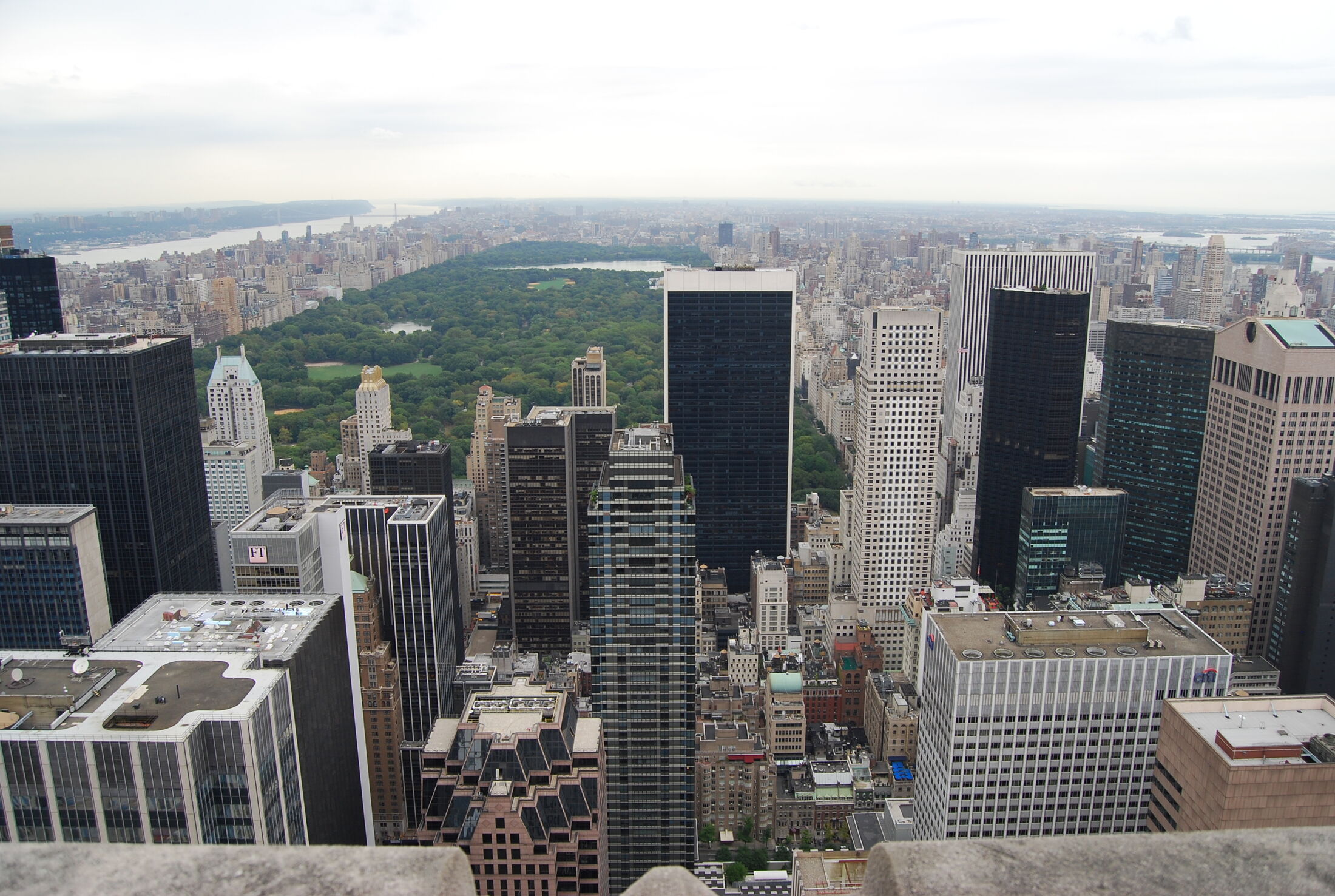
The western blocks are formal and architectural, with limestone facades, landmark townhouses and doorman buildings along Fifth, Madison and Park Avenues, and Madison Avenue known for its boutiques and galleries. Moving east, Lexington, Third, Second and First Avenues carry a broad mix of shops and restaurants. Central Park borders the west, while Carl Schurz Park, John Jay Park and the East River Esplanade line the river. Museum Mile anchors the cultural life.
Selling in Upper East Side
On the Upper East Side, buyers weigh address, layout and building reputation together. Park views, a prime avenue or a sought after side street, high ceilings, formal rooms and a well planned Classic Six or Seven usually define the top of each building's range. Co-op boards here often have strict financial requirements, and some limit financing, so understanding the board's criteria before pricing is essential. Townhouse values depend on width, condition, elevator, outdoor space and legal configuration. East of Lexington, proximity to the Second Avenue Subway has become a meaningful talking point.
Compass market data: Upper East Side is one of Compass’s Manhattan submarkets. In Q3 2026 the Upper East Side submarket’s median sale price was $1,350,000 (+4.0% on a year earlier), on 638 closed sales (−9.6%). Source: Compass Manhattan Market Report Q3 2026 (data: REBNY RLS, ACRIS). NYC market data →
Get Gavin’s report for your building: recent sales in your line and nearby, and what they mean for your price. Free, no obligation.
Buying in Upper East Side
Co-ops make up most of the inventory, and board policies on financing, post closing liquidity and pied-a-terre use vary widely. A large share of the area west of Lexington Avenue sits within historic districts, so exterior changes require Landmarks Preservation Commission approval. Townhouse buyers should confirm the certificate of occupancy, legal unit count and any open permits. Condominiums east of Third Avenue offer more flexible financing.
Upper East Side: frequently asked questions
What are the boundaries of the Upper East Side?
The Upper East Side runs from 59th Street north to 96th Street, between Fifth Avenue and Central Park on the west and the East River on the east. It includes several smaller neighborhoods: Lenox Hill in the south, Carnegie Hill in the northwest and Yorkville in the northeast. North of 96th Street the area becomes East Harlem, and Midtown East lies south of 59th Street.
Which historic districts are on the Upper East Side?
Several. The largest is the Upper East Side Historic District, designated in 1981 and extended in 2010. Others include the Metropolitan Museum Historic District from 1977, the Carnegie Hill district from 1974 with a 1993 extension, the Park Avenue Historic District from 2014, Treadwell Farm from 1967 and Henderson Place from 1969. Exterior changes within these areas need Landmarks Preservation Commission approval.
When did the Second Avenue Subway open?
The first phase of the Second Avenue Subway opened on January 1, 2017, extending the Q train north from Lexington Av/63 St to new stations at 72nd, 86th and 96th Streets along Second Avenue. The new line relieved crowding on the Lexington Avenue 4, 5 and 6 and shortened walks to the subway for much of the eastern Upper East Side and Yorkville.
What is Museum Mile?
Museum Mile is the stretch of Fifth Avenue along Central Park, generally from 82nd Street to 105th Street, lined with major cultural institutions. Among them are the Metropolitan Museum of Art, the Neue Galerie, the Solomon R. Guggenheim Museum, the Cooper Hewitt and the Jewish Museum. The Metropolitan Museum and the surrounding blocks form their own historic district, designated in 1977.
Sources: nyc.gov, new.mta.info, nycgovparks.org, nycgovparks.org, nycgovparks.org, new.mta.info, communityprofiles.planning.nyc.gov. Neighborhood boundaries are customary and vary by source. Updated October 2026.
More in Uptown Manhattan